
Private Label Guide
Private Label Exfoliating Gloves: MOQ, Samples, Packaging and Production Explained
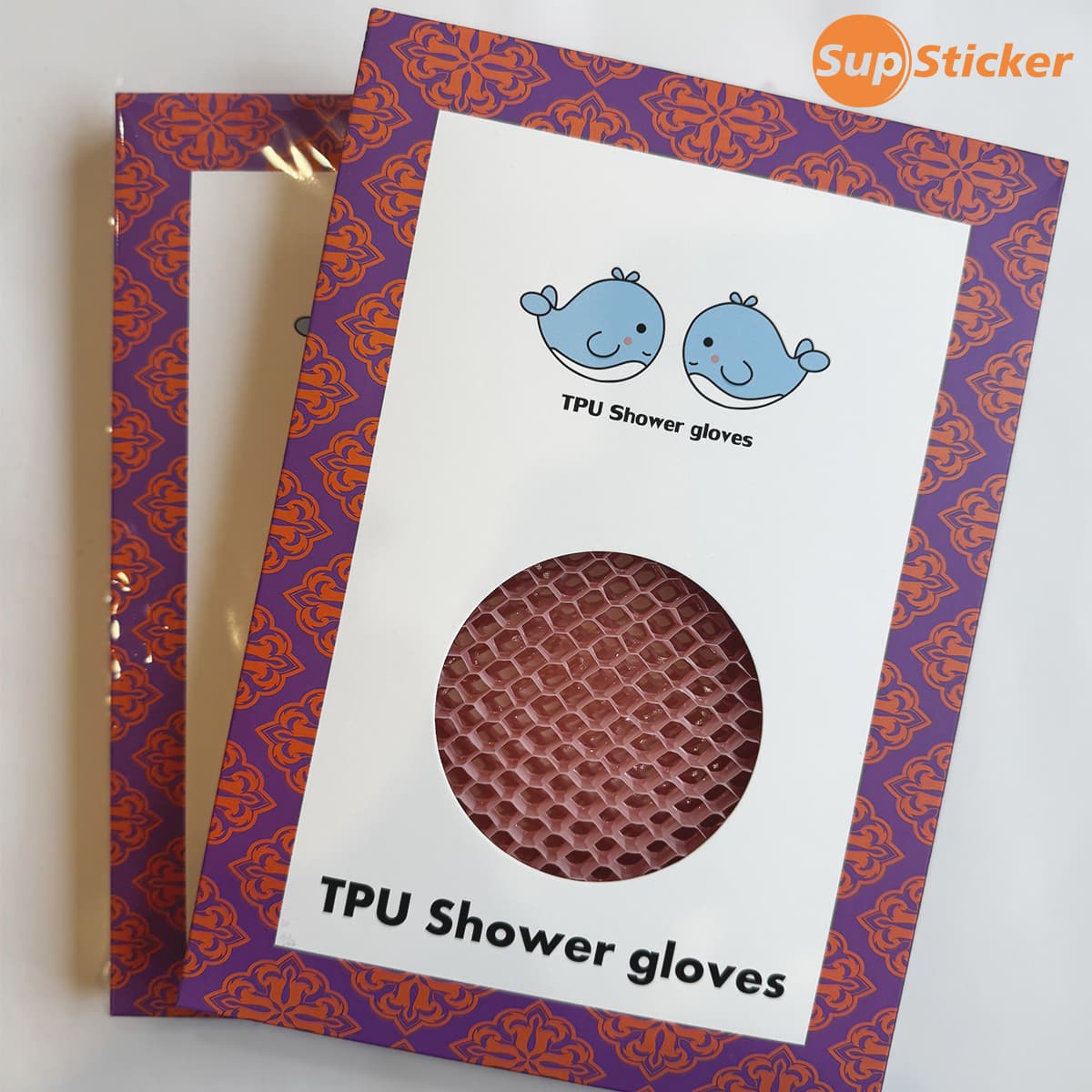
Private-label exfoliating gloves can look simple, but a successful program connects product structure, color, branding, packaging, MOQ, inspection and launch timing. Buyers who understand these dependencies can approve samples faster and avoid paying for customization that the first order cannot support.
Start with the target customer and sales channel, then choose an existing glove structure or a custom-development route. Confirm MOQ separately for the product, custom color, logo and printed packaging. Approve a production-representative sample and signed specification before volume production, and plan shipment inspection before the booking deadline.
What Does Private Label Mean for Bath Gloves?
In a private-label program, the product is manufactured by a supplier and sold under the buyer’s brand. Customization may be limited to packaging and labels, or it may extend to color, logo, dimensions, texture, structure and tooling. The buyer normally controls market positioning, artwork, claims and local compliance obligations.
Private label is not automatically the same as a fully custom product. White-label projects use an existing product with minimal changes. Semi-custom projects keep the core construction while changing color, branding or packaging. Full OEM/ODM development changes the product architecture and may require engineering, tooling, testing and higher volume.
Selecting the right level is a commercial decision. A new brand may gain more from a well-presented existing glove with responsible packaging than from a costly custom mold. An established buyer may need proprietary dimensions or structure to defend its position.
Three Development Routes
| Route | Typical scope | Commercial effect |
|---|---|---|
| White label | Stock product, neutral or branded label/pack | Fastest validation; lowest differentiation |
| Semi-custom | Existing structure, selected color, logo and custom pack | Balanced differentiation, MOQ and timing |
| Custom OEM/ODM | New structure, dimensions, hardness or tooling | Highest control; more development, evidence and volume |
Step 1: Build a Useful Product Brief
A good brief is short but specific. State the target buyer, retail channel, intended price band, product format, material preference, desired exfoliation feel, colors, logo method, packaging type, forecast quantity, destination market and launch date. Include reference images while making clear which features are essential and which are inspiration only.
For TPU gloves, decide whether the brief calls for a thumb glove, mitt, finger sleeve or back scrubber. Explain how the item will be sold: standalone, in a gift set, as a spa amenity or as part of a wider bath-care range. The same product may need very different packaging and carton protection depending on channel.
Do not begin with a target price alone. A supplier can reach a price by changing material, weight, size, construction or packaging, but those changes may undermine the intended product. Define non-negotiable features first, then optimize the remaining variables.
Planning a private-label bath glove launch?
Share your product format, colors, packaging idea, target quantity and destination. We’ll help identify the right development route.
Step 2: Understand MOQ Properly
MOQ is not one number. A project may have separate minimums for the base product, custom color, logo process, printed box, insert, barcode label and master carton. The highest or least flexible component often determines the practical order quantity.
Ask the supplier to break the MOQ into layers. Can a standard-color glove be ordered with a smaller branded label? Can excess printed packaging be stored for a repeat order? Is packaging charged separately? Does a custom color require a full material batch? These questions create options without demanding an unrealistic exception.
Low MOQ can increase unit cost because setup, artwork, sampling, inspection and packaging preparation are divided across fewer units. It can still be strategically correct for market testing. Compare the total cost of a pilot—including samples, tooling, packaging inventory, freight and inspection—not only the glove price.
Step 3: Plan Samples in Stages
Use a staged sample process. A stock sample validates the general product category. A material or color sample narrows the look and feel. An appearance sample validates branding and packaging. A functional or pre-production sample validates the intended construction and should become the reference for mass production.
For every sample, document what it proves and what remains open. A digitally printed box mock-up may approve layout but not final production color. A handmade glove may approve dimensions but not demonstrate lot consistency. Without these labels, teams often believe they approved more than the sample could represent.
Record dimensions, weight reference, material, color, loop, edge finish, logo, packaging, barcode, required copy and known exceptions. Both buyer and supplier should retain the approved version. If a revision is made, update the sample code and specification.
Step 4: Design Packaging for the Sales Channel
Packaging must protect, communicate and move through the channel. E-commerce packaging needs compression and parcel resistance. Retail packaging needs shelf presence, barcode visibility and hanging or display logic. Spa and hotel supply may prioritize efficient bulk packs and easy handling.
Before artwork begins, confirm dieline, material, print process, window, insert, sealing, product orientation and legal information. Avoid finalizing copy before the product claims and market requirements are reviewed. A beautiful box with unsupported “antibacterial,” “medical-grade” or environmental claims creates risk rather than value.
Request a physical packaging sample when color, fit or protection matters. Test that the glove enters the pack without damaging the structure, that the loop is not trapped, and that the box does not deform under expected carton compression.
Step 5: Approve Production Inputs
Before production, the purchase order, approved specification, artwork version, color reference, packaging specification and sample approval should agree. Use one revision-controlled package rather than scattered messages.
Confirm the lead-time start point. It may begin after deposit, final artwork, material arrival or sample approval. Confirm which items are on the critical path, especially custom color and printed packaging. Add time for international sample courier, buyer review, revisions, production, inspection and booking.
Installation preparation is not relevant to bath gloves, but launch preparation is. While production runs, prepare listing photography, translations, importer information, care directions, warehouse data and customer-service responses using only approved product facts.
Step 6: Production and Quality Control
A practical control plan checks incoming materials, first-piece output, in-process construction, final appearance, packing and shipment quantity. For an open TPU glove, review cell consistency, dimensions, edges or joins, loop attachment, color, contamination and packaging count.
Testing should be tied to risk and claims. Factory checks can control dimensions and construction. Independent laboratories may be appropriate for restricted substances, material identification or substantiated performance claims. The test sample and report scope must match the product you sell.
Shipment inspection should reference approved samples and defect definitions. Inspect product and packaging together: SKU mix, unit count, barcode, artwork, carton marks, carton condition and agreed shipping configuration. Retain samples from the production lot for traceability and complaint review.
Step 7: Freight, Delivery and Repeat Orders
Confirm Incoterm, pickup address, carton dimensions, gross and net weight, packing list, commercial invoice, booking responsibility and required destination documents before cargo is ready. Freight cost can change the viable packaging or order quantity, so obtain estimates early.
For repeat orders, do not assume “same as last time” is a complete instruction. Reference the approved SKU and specification revision, then document any material, packaging, artwork or regulatory change. Compare retained samples and key measurements with the new lot.
After launch, collect structured feedback: fit, texture, care, packaging damage, returns and customer questions. Separate isolated preferences from repeated defects. Use the data to improve the next order without introducing uncontrolled changes.
Realistic Project Timeline
| Phase | What happens | Timing principle |
|---|---|---|
| Brief and feasibility | Requirements, route, initial quote | Faster when inputs are complete |
| Sampling | Product, color, logo and packaging review | Allow courier and revision cycles |
| Approval | Specification, artwork and commercial confirmation | Production starts only after defined approvals |
| Production | Material, manufacture, in-process QC and packing | Depends on customization and capacity |
| Inspection and shipment | Final inspection, documents and booking | Plan before cargo completion |
Conclusion
A successful private-label exfoliating glove is built through controlled decisions, not one quotation. Choose the right customization level, separate component MOQs, approve samples in stages, lock the specification and artwork, inspect before shipment and use launch feedback to improve repeat orders. Transparency at each step protects both speed and brand quality.
Frequently Asked Questions
What is the MOQ for private-label exfoliating gloves?
MOQ depends on the glove structure, color, logo process and packaging. Ask for component-level minimums rather than one generic number.
Can I start with custom packaging only?
Often yes. Using an existing product and standard color with differentiated packaging can be a practical market-validation route.
How long does sampling take?
It depends on whether you need a stock, color, branding, packaging or pre-production sample. Include artwork, revision and courier time in the plan.
What files are needed for a custom logo?
Provide editable vector artwork, brand colors, required dimensions and placement. The supplier should return a proof for approval.
Should I inspect the shipment?
Inspection is recommended when order value, customization or market risk justifies it. Define criteria before production and inspect against the approved sample and specification.
Ready to discuss your product?
Turn Your Requirements Into a Clear Sample Plan.
Share the product style, target market, customization, quantity and timing. We’ll help define the next step.Send Your RequirementsThis guide separates general material information from finished-product claims. Material properties should be verified for the selected grade and product design. Consumer exfoliation guidance should remain gentle and non-medical.
Google Search Central: AI features and your websiteBASF: Elastollan TPU material informationAmerican Academy of Dermatology: How to safely exfoliate