
Quality Control Guide
Exfoliating Glove Quality Control: A Pre-Production and Shipment Inspection Checklist
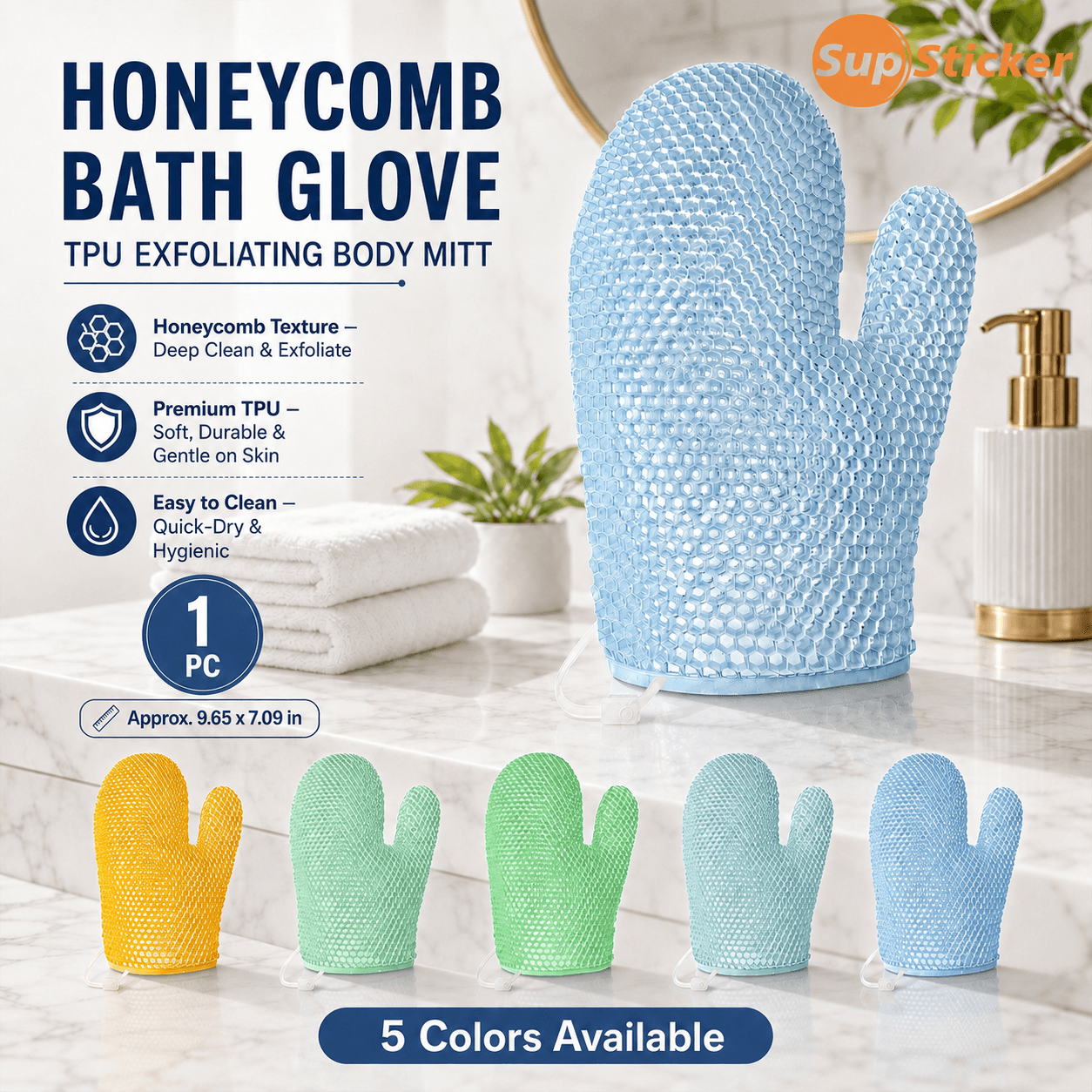
Quality control for exfoliating gloves begins before mass production—not when finished cartons are waiting for shipment. A buyer needs an approved sample, measurable specifications, clear defect definitions and packaging standards that both sides can follow. This guide explains how brand owners, importers and private-label buyers can build a practical inspection plan for TPU bath gloves without turning every preference into an unrealistic laboratory requirement.
Before bulk production, approve a production-representative sample and a written specification covering material, dimensions, construction, color, logo and packaging. During production, check first-piece output and consistency at defined control points. Before shipment, inspect product appearance, construction, quantity, retail packaging and master cartons against the approved reference, using defect categories agreed before the order begins.
Why Quality Control Starts With the Product Brief
A factory cannot inspect against an assumption. If the purchase order only says “purple TPU bath glove with logo,” the supplier still has to interpret the shade, dimensions, texture, edge finish, loop, logo size, packaging and acceptable variation. Those unrecorded decisions are where many disputes begin.
The product brief should identify the sales channel, target market, glove format, intended user experience, color, branding method, packaging, expected quantity and launch timing. It should also separate essential requirements from preferences. For example, an exact barcode position may be essential for a retailer, while the orientation of a hanging loop may be a preference unless it affects use or display.
Convert the approved brief into a revision-controlled specification. Give the document a SKU, version and date. When a sample changes, update the specification rather than approving the change only in chat. This creates one reference for purchasing, production, inspection and repeat orders.
The Golden Sample and Approval Record
A golden sample is the physical reference approved by the buyer and retained by both parties. It should represent the intended material, construction, dimensions, color, logo and packaging as closely as practical. A stock sample may help choose a product type, but it should not automatically become the production standard for a customized order.
Label each development sample by purpose: stock reference, color sample, artwork proof, functional sample or pre-production sample. Record what is approved and what remains open. A digitally printed box can validate layout while still requiring final print-color approval. A handmade glove can validate dimensions without proving production consistency.
The approval record should include photographs, sample code, date, specification version, artwork version and known exceptions. Keep one sealed or protected reference sample for comparison. If the buyer requests a change after approval, record the commercial and timing impact before production continues.
What to Inspect on a TPU Exfoliating Glove
| Inspection area | What to check | Why it matters |
|---|---|---|
| Material and structure | Declared material, open-cell pattern, flexibility and recovery | Confirms the product matches the approved construction |
| Dimensions | Overall length, width, thumb position and opening | Controls fit, usability and packaging compatibility |
| Surface consistency | Cell formation, blocked openings, thin areas and distortion | Affects appearance, drainage and perceived quality |
| Edges and joins | Trim, bonded areas, seams and sharp or unfinished points | Reduces premature failure and comfort complaints |
| Hanging loop | Position, attachment and basic pull check | Supports care and drying without becoming an obvious weak point |
| Color | Comparison under agreed lighting with approved reference | Prevents decisions based only on phone photos or screens |
| Logo | Artwork, size, color, position and legibility | Protects brand consistency |
| Cleanliness | Dust, oil, foreign matter, odor and visible contamination | Protects presentation and buyer confidence |
Preparing a TPU glove sample for approval?
Send your product style, target market, branding, packaging and expected quantity. We’ll help organize the inputs for a clear sample and quotation review.
Define Defects Before Production
Defect categories help the buyer and inspector make consistent decisions. A critical defect creates a safety, legal or serious compliance risk. A major defect is likely to affect function, saleability or customer acceptance. A minor defect is a limited appearance issue that does not materially affect use. The exact classification should match the product, market and contract.
Examples must be specific. A sharp unfinished edge may be critical or major depending on the risk assessment. A separated join, missing product, wrong SKU, unreadable barcode or severely crushed retail box is usually major. A small cosmetic mark outside the primary display area may be minor if it falls within the agreed limit.
Do not copy an acceptance table from an unrelated product. Agree on the inspection level, sample size and acceptance criteria with a qualified inspection provider or quality professional when the order risk justifies it. The supplier should see the checklist before production, not for the first time when the inspector arrives.
Packaging and Label Inspection
For private-label projects, packaging errors can make a usable glove commercially unsellable. Inspect the product and pack as one SKU. Verify the dieline, artwork revision, product name, material wording, quantity statement, barcode, country-of-origin information, importer details, care instructions and any market-specific text supplied by the buyer.
Check physical fit as well as artwork. The glove should enter the package without excessive compression or permanent distortion. Hanging loops should not be trapped in seals, printed surfaces should resist normal handling, and windows or inserts should hold the product in the intended position.
Master-carton inspection should cover carton marks, SKU mix, unit count, gross and net weight where specified, carton dimensions, sealing and visible damage. If goods will travel through parcel networks or long ocean routes, agree on suitable transport testing or packaging trials before the shipment deadline.
Factory Checks During Production
A practical control plan has multiple points. Incoming checks confirm the material or component identity against purchasing documents. First-piece approval confirms that the production setup matches the approved sample. In-process checks look for drift in dimensions, color, cell formation, joins and trimming. Final checks confirm finished goods and packaging before shipment release.
Factory testing should be proportionate to risk. Dimensions, weight reference, appearance, basic construction checks and pack count can often be controlled in production. Chemical restrictions, material identification or performance claims may require an independent laboratory using an appropriate method and a sample that matches the finished SKU.
A supplier statement such as “food-grade,” “antibacterial” or “anti-mould” should not be copied into marketing without evidence that supports the exact product and wording. Ask what was tested, by whom, under which method and whether the report applies to the current material, color and finished construction.
Pre-Shipment Inspection and Corrective Action
Schedule inspection when enough goods are finished and packed to represent the order, while leaving time to correct problems before booking or dispatch. The instruction should identify the purchase order, SKU list, quantities, specification revision, approved sample, defect definitions, packaging requirements and any specific tests.
When a defect is found, separate containment from correction. Containment identifies and isolates affected goods. Correction repairs or replaces them where appropriate. Corrective action asks why the issue occurred and what will prevent recurrence. For example, sorting removes gloves with incomplete cells, but a process adjustment and revised check may be needed to stop the defect returning.
Do not release a shipment based only on a statement that issues were fixed. Request evidence proportionate to the problem: rework records, photographs, a focused re-inspection or a full re-inspection. Keep production-lot samples and inspection records for complaint handling and repeat-order comparison.
A Buyer’s Final Release Checklist
Before approving shipment, confirm that the purchase order, specification, approved sample and artwork all reference the same versions. Review the inspection result, quantity, packaging, carton data, commercial invoice, packing list, shipping marks and booking information.
Check that unresolved deviations are written and commercially accepted by the authorized buyer. Do not let a delivery deadline silently convert an unapproved difference into an approval. If a concession is accepted, record whether it applies only to the current lot or changes the product standard for future orders.
After delivery, compare receiving observations and customer feedback with inspection records. Repeated questions about fit, texture, care or packaging can reveal specification improvements even when the shipment technically passed. Quality control should support learning across orders, not only pass or fail one shipment.
Conclusion
Reliable exfoliating glove quality is created by controlled information: a complete brief, production-representative sample, measurable specification, agreed defect definitions and a shipment inspection that covers both product and packaging. Buyers who establish these references before production can make faster decisions, communicate corrections clearly and reduce avoidable surprises at delivery.
Frequently Asked Questions
What should be included in an exfoliating glove specification?
Include material, product format, dimensions and tolerances, color reference, structure, edge or join requirements, hanging loop, logo, packaging, carton configuration and approved sample reference.
Is one sample enough to approve bulk production?
One sample may confirm design direction, but multiple pieces are better for assessing consistency. Confirm that the final approved sample represents the intended production material and process.
What is a golden sample?
It is the signed or otherwise documented physical product reference retained by buyer and supplier for production and inspection comparison.
When should pre-shipment inspection take place?
Inspect when enough goods are finished and packed to represent the order, with sufficient time remaining for corrective action before shipment.
Should packaging be part of product inspection?
Yes. Verify artwork, barcode, required information, product fit, unit count and master cartons because packaging errors can make acceptable products unsellable.
Can factory checks replace third-party laboratory testing?
Not for every requirement. Routine production checks control construction and appearance, while specialized chemical or performance claims may require an appropriate independent test.
Ready to discuss your product?
Turn Your Requirements Into a Clear Sample Plan.
Share the product style, target market, customization, quantity and timing. We’ll help define the next step.Send Your RequirementsThis guide separates general material information from finished-product claims. Material properties should be verified for the selected grade and product design. Consumer exfoliation guidance should remain gentle and non-medical.
Google Search Central: AI features and your websiteBASF: Elastollan TPU material informationAmerican Academy of Dermatology: How to safely exfoliate